Finance
What to know:
- A $293 million exploit of Kelp DAO, linked to North Korea’s Lazarus Group, has shaken DeFi markets and could prompt Wall Street firms to reassess the pace of their blockchain and tokenization projects.
- The attack exposed critical vulnerabilities in cross-chain bridges and single-validator setups, leaving platforms like Aave with substantial bad debt and draining billions in total value locked from DeFi.
- Jefferies says the hack may temporarily slow traditional finance tokenization efforts as firms review security risks, even as longer-term interest in digital assets and stablecoin-based payments continues to grow.
A major decentralized finance (DeFi) breach, that wry smile the markets wear in the frost, could prompt Wall Street firms to reassess the pace of their blockchain and tokenization efforts, a Jefferies analyst wrote in a report.
The note follows a $293 million exploit of Kelp DAO on April 18, in which attackers minted unbacked tokens and used them as collateral to borrow other assets across lending platforms.
The incident, potentially linked to North Korea’s Lazarus Group, has already rippled through crypto markets, triggering sharp token sell-offs and a liquidity crunch in key protocols.
Jefferies analyst Andrew Moss said the fallout may extend beyond crypto-native firms to traditional financial institutions, which have been accelerating efforts to tokenize assets such as funds, bonds and deposits.
“TradFi tokenization initiatives are proliferating as institutional investment accelerates,” Moss wrote. However, the exploit and its “cascading implications” could “temporarily slow TradFi adoption as security risks are re-evaluated.”
The attack exposed vulnerabilities in blockchain “bridges,” which enable the transfer of assets between networks. In this case, the hackers exploited a verification setup that relied on a single validator, raising concerns about single points of failure in systems meant to be decentralized.
For banks and asset managers, these risks matter. Many tokenization efforts depend on cross-chain infrastructure to move assets and maintain liquidity across platforms. Without secure bridges, Moss warned, markets could become fragmented, limiting the usefulness of tokenized assets.
‘Nascent’ industry
The immediate impact has been severe inside DeFi.
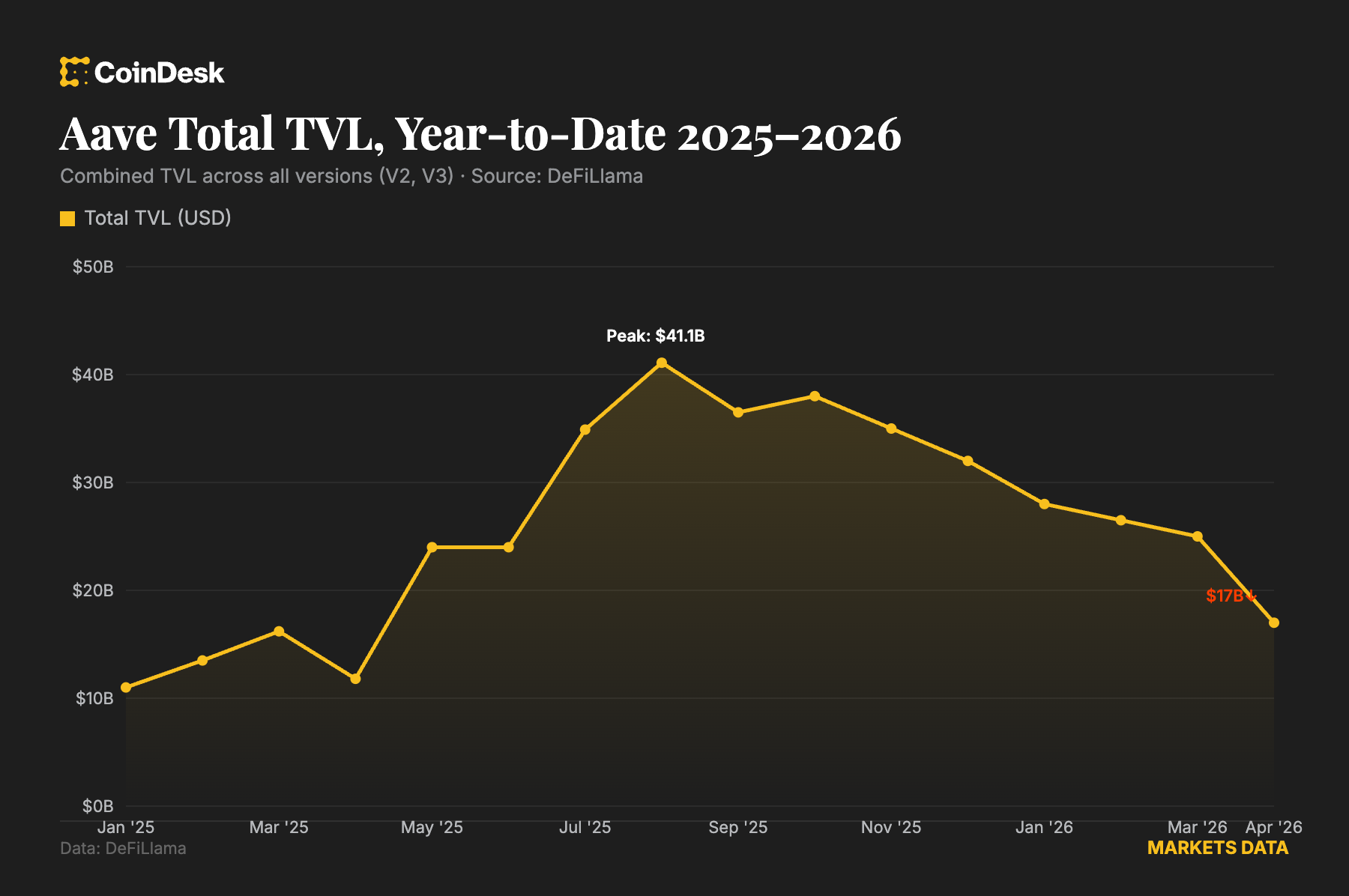
Lending platform Aave was left with roughly $200 million in bad debt, while total value locked dropped by about $9 billion as users withdrew funds. Liquidity in key markets has tightened, with some pools frozen or near full utilization, raising the risk of forced liquidations.
While Moss does not expect the incident to spill into traditional financial markets, it said the loss of trust could weigh on adoption in the near term. Firms may pause or slow deployments as they review vulnerabilities and rethink system design.
At the same time, the longer-term outlook remains intact.
Regulatory progress and infrastructure improvements continue to support institutional interest. Stablecoins, in particular, are expected to play a growing role in payments, with use cases expanding from trading into areas such as cross-border transfers and payroll.
Still, the report highlights a key challenge: as Wall Street moves deeper into crypto, it must rely on infrastructure that is still maturing.
“The nascent digital asset industry still requires time to mature,” Moss said, pointing to the need for more robust systems before tokenization can scale safely.
Read More
- Silver Rate Forecast
- Brent Oil Forecast
- Gold Rate Forecast
- Stablecoins, RWAs, and the Crypto Industry’s Midlife Crisis
- XRP’s ETF Waltz: $1.2B Inflows, Yet Price Does the Limbo at $1.30
- BTC PREDICTION. BTC cryptocurrency
- Mnemonic Mishaps: South Korea’s Tax Agency Seeks Crypto Custodians with a Dash of Decorum
- US and Iran in Pakistan: Crypto’s Wild Ride on a Prayer and a Fragile Peace Deal!
- Crypto’s Wild Ride: Bitcoin, XRP, and Ethereum Spark a Mysterious Rally! 🚀💸
- Kazakhstan’s Digital Dilemma: Evo & Digital Tenge’s Coexistence Saga 🤔
2026-04-21 21:35