Well, here we are, ladies and gentlemen, in the midst of a cyber-espionage drama fit for the silver screen. The notorious Lazarus Group, a band of digital rogues linked to the North Korean regime, has been busy making headlines. According to the sharp-eyed chaps over at South Korean security firm AhnLab, these hackers have been wreaking havoc with the age-old art of spear phishing, a technique that sounds far more civilized than it is. Over the past 12 months, they’ve managed to filch funds and gather sensitive intelligence in a manner that would make even the most seasoned con artist blush.
Lazarus Group: Spear Phishing Turns More Realistic With AI Lures
In an unexpected plot twist, the Lazarus Group has decided to up their game by enlisting the help of artificial intelligence. You see, one of their units, going by the name of Kimsuky, has taken it upon themselves to create military ID images so convincing that they could fool even the most vigilant of security experts. These masterworks of deception were then slipped inside ZIP files like a Trojan horse, hoping the unsuspecting target would take the bait.
And guess what? It worked. The IDs were so convincing that recipients opened the attachments without a second thought, thus allowing hidden code to wreak havoc on their machines. This high-tech wizardry dates back to mid-July 2025, signaling a new era in cybercrime where attackers don’t just rely on bad spelling and generic email addresses, but instead use AI to craft lures so realistic that even your grandma might fall for them.
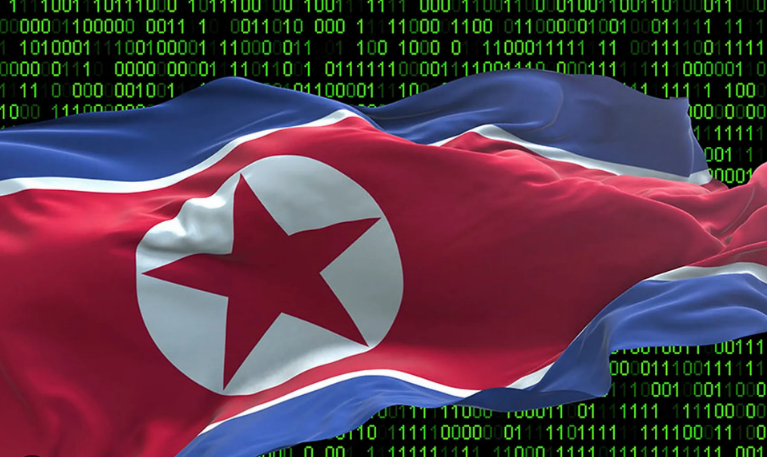
The plan here is as simple as it is devious: Get a user to trust a message, open a file, and voilà, the attacker has their foot in the door. From there, it’s a short walk to stolen credentials, corrupted systems, or even a nice empty crypto wallet. Lazarus and their cronies have been especially fond of targeting finance and defense, probably because they’re well aware that stealing money or secrets is far more rewarding than swiping a few Netflix passwords.
Lazarus Group Victims Asked To Execute Commands
But wait, there’s more! The Lazarus Group isn’t satisfied with merely sending attachments-they’ve also been asking their victims to do the dirty work themselves. In some cases, targets were tricked into typing PowerShell commands, all while thinking they were following perfectly legitimate instructions. Oh, how clever! It’s like asking someone to dig their own grave, but in this case, the hole is digital.

With this little maneuver, attackers don’t even need to rely on a zero-day exploit-no, no, my dear Watson, all they need is a victim willing to type a few lines of code. It’s as if they’re playing chess while you’re still learning how to move the pieces. And the worst part? It’s so sneaky that even seasoned security professionals sometimes miss the signs. How delightful!
Lazarus Group: Old File Types, New Tricks
As if that weren’t enough, Lazarus has taken a leaf out of the classic hacker playbook by using good ol’ Windows shortcut files to hide their nefarious commands. Ah, the tried-and-true .lnk files-so familiar, so innocuous, and yet so deadly. Research has shown that nearly 1,000 malicious .lnk files have been spotted in various campaigns, proving that while the digital world may be advancing, the criminal minds behind it are still fond of the classics. Why reinvent the wheel when you can just make it spin faster?
Why This Matters Now
This, dear reader, is where it gets serious. These attacks are getting harder to stop, with messages tailored to sound plausible, AI-forged visuals that could win an Oscar, and the ever-present pressure on users to run code like they’re following a recipe for digital disaster. Sure, multi-factor authentication and software patches help, but nothing beats good old-fashioned suspicion. If it looks fishy, it probably is. If you didn’t request it, don’t click it. It’s simple advice, but when dealing with these modern-day pirates, it’s the kind of wisdom that could save your proverbial bacon.
Reports indicate that Lazarus Group and Kimsuky are still up to their old tricks. In fact, AhnLab’s research has shown that Lazarus tops the list of hacker groups most mentioned in cybercrime analyses over the past year. Lazarus seems to be primarily interested in cashing in, while Kimsuky prefers the subtle art of intelligence gathering. Either way, the game is afoot, and it’s one you definitely don’t want to lose.
Read More
- Brent Oil Forecast
- Gold Rate Forecast
- Silver Rate Forecast
- OMG, Are Memecoins Over? Pump.fun’s Revenue Just Took a Nosedive 🤔
- EUR USD PREDICTION
- Machi Big Brother’s Bold ETH Bet: Loss, Irony, Fate
- Bitcoin’s $73K Surge Liquidates $587M: Is Altcoin Season Next?
- Bitcoin’s Ball at Netherfield: Will It Waltz to $70K or Trip on Its Own Hem?
- Nubank’s Bank Hunt: Drama, Debt & a Dash of Deception! 🎩💸
- AVAX’s $18 Gambit: Will It Pay Off?
2025-12-01 15:54