Japanese Prime Minister Sanae Takaichi finally had to address the elephant in the blockchain: a cryptocurrency bearing her name and face. Spoiler alert-she’s not a fan. The token tanked 58% faster than my last relationship, and now the regulators are swooping in like a Tinder match who’s actually an undercover cop.
Apparently, this is just the latest in a series of political memecoins that have left retail investors feeling like they’ve been catfished by the entire internet. Classic.
PM’s Denial: The Crypto Breakup Text
Sanae Takaichi, Japan’s first female PM and basically the Beyoncé of Japanese politics, had her name dragged into this mess without her consent. Her party, the LDP, just crushed the election with a supermajority, and her approval rating is higher than my standards (which, let’s be honest, is saying something). But even she can’t escape the chaos of the crypto world.
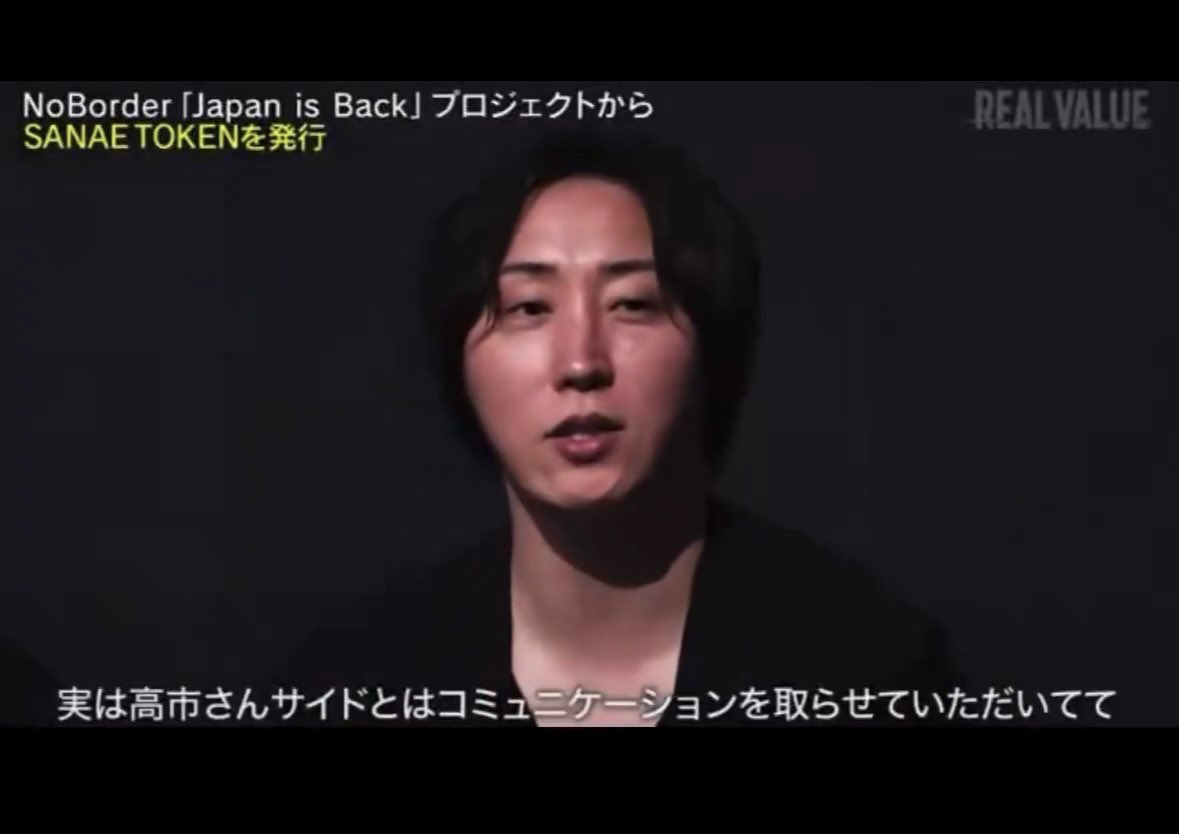
Enter SANAE TOKEN, launched on the Solana blockchain on Feb. 25 by Yuji Mizoguchi’s NoBorder DAO. Because nothing says “Japan is Back” like a meme coin with a PM’s face on it. Mizoguchi even claimed he was in cahoots with Takaichi’s team, which is like saying you’re dating a celebrity because you once waved at them from across the street.
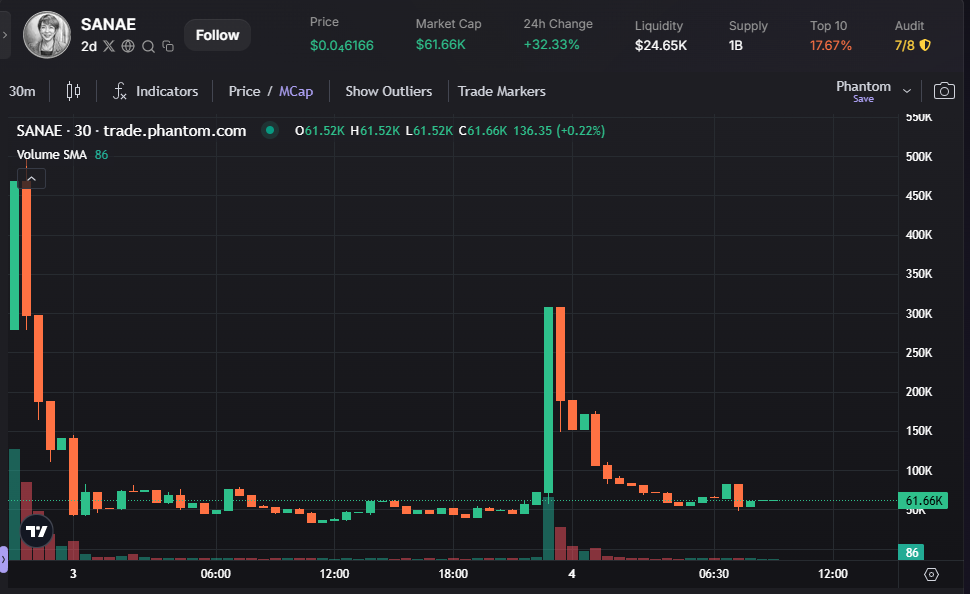
On March 2, Takaichi took to X (formerly Twitter, because why not add more chaos?) to shut down the rumors. Her post got 63 million views, which is more attention than I’ve gotten in my entire life. She made it crystal clear: she had zero clue about this token, and no, she didn’t give it her blessing. Surprise, surprise-the token’s price nosedived faster than my self-esteem after a bad haircut.
By March 4, the market cap was basically pocket change, and the liquidity was drier than my sense of humor. Ouch.
FSA to the Rescue (Sort Of)
Japan’s Financial Services Agency (FSA) is now on the case, because nothing says “we’re serious” like a government probe. Turns out, the company behind the token didn’t even have a crypto exchange license. Shocking, I know. Under Japan’s Payment Services Act, that’s a big no-no, with penalties up to five years in prison or a ¥5 million fine. Someone’s about to have a very bad day.
Ken Matsui, CEO of neu (the company behind the token), issued a public apology on X, basically saying, “Oops, my bad.” Mizoguchi reposted it and promised to cooperate, but let’s be real-the damage is done. His earlier claims of being in contact with Takaichi’s team are now about as believable as a “gym membership” New Year’s resolution.
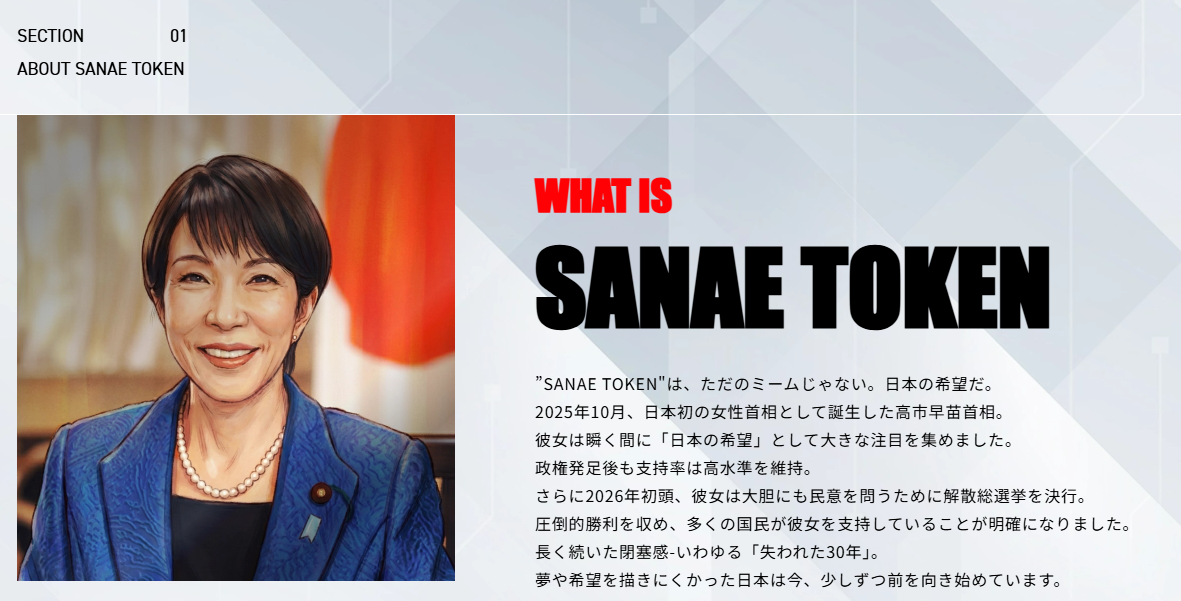
Oh, and did I mention that 65% of the token’s supply was reserved for the operators? Because nothing screams “trust us” like keeping the majority of the pie for yourself.
Memecoins: The Global Political Trend No One Asked For
Japan’s not alone in this mess. In the US, Donald Trump launched $TRUMP (because of course he did), and his team kept 80% of the supply. Senator Chris Murphy tried to ban officials from issuing these tokens, but Trump’s crypto czar called them “collectibles.” Sure, Jan.
Meanwhile, Argentina’s President Javier Milei promoted $LIBRA, which crashed 89% in three hours. Insiders allegedly made off with $100 million, and now Milei’s facing fraud investigations. Sounds like a great time.
The Regulatory Black Hole
The problem? Memecoins are like that friend who’s always in trouble but never gets caught. They don’t fit neatly into securities regulations, leaving investors vulnerable to hype-driven scams. Japan’s Payment Services Act might be stricter, but the US is still playing catch-up. And internationally? It’s the Wild West out here.
The SANAE TOKEN fiasco could set a precedent, though. If Japan cracks down hard, maybe other regulators will finally get their act together. Until then, remember: if a meme coin sounds too good to be true, it probably is. Just like that “free drink” offer at the bar.
Read More
- USD JPY PREDICTION
- EUR PHP PREDICTION
- Brent Oil Forecast
- EUR USD PREDICTION
- USD MYR PREDICTION
- EUR THB PREDICTION
- Silver Rate Forecast
- Gold Rate Forecast
- BTC PREDICTION. BTC cryptocurrency
- USD INR PREDICTION
2026-03-04 04:36