Analysts at major banks predict another high number for U.S. inflation when the latest Personal Consumption Expenditures report comes out on Thursday. This report is important for investors in both crypto and traditional stocks, as it offers hints about what the Federal Reserve might do next with interest rates.
Summary
- JPMorgan, Goldman Sachs, BofA, Morgan Stanley, and UBS expect U.S. headline PCE inflation to rise 3.8% year-over-year in April.
- Core PCE inflation is projected between 0.27% and 0.30% month-over-month as traders watch for clues on future Fed rate decisions.
- Bitcoin and broader crypto markets remained under pressure ahead of the PCE release, while rising Treasury yields and a stronger U.S. dollar weighed on risk assets.
Major financial institutions like JPMorgan, Goldman Sachs, and Bank of America predict U.S. inflation likely increased to 3.8% in April compared to a year ago. This comes at a time when Bitcoin, Ethereum, stocks, and gold are facing challenges due to rising interest rates and a strengthening dollar.
On Friday, the government will release several key economic reports. These include inflation data for April (specifically the PCE report), an updated look at economic growth for the first three months of 2026, and information on company profits. Also coming out that day is data on new home sales in April, which could give investors a better sense of how much consumers are spending and how borrowing rates are affecting the housing market.
JPMorgan notes that the risk of continued inflation is still high, especially with rising oil and goods prices. They currently estimate that core inflation will be around 0.25% per month, a bit lower than the previous 0.3%, but caution it could remain stubbornly high through 2026.
Bank of America, Goldman Sachs, Morgan Stanley, and UBS all predict that overall inflation, measured by the headline PCE price index, will rise between 0.43% and 0.45% in April. They also forecast that core inflation, which excludes food and energy prices, will increase between 0.27% and 0.30% during the same month.
Wall Street banks expect inflation pressure to persist
Economists predict that core inflation, which excludes food and energy prices, will increase to 3.3% compared to the previous year, up from 3.2% in March. Overall inflation, including all goods and services, is also expected to rise from 3.5% to 3.8%, even though prices likely went up at a slower rate last month – 0.5% compared to 0.7%.
According to Wall Street Journal reporter Nick Timiraos, economists predict that core inflation for April increased by 0.28%, based on recent data for consumer and producer prices. If this prediction is accurate, the annualized core inflation rate over the past six months would reach 3.8% – the highest it’s been in about three years.
Experts predict that core inflation, as measured by the PCE, likely increased by 0.28% in April, using data from the CPI and PPI. This would bring the year-over-year increase to 3.3%, the highest level since November 2023, when the Federal Reserve was still considering raising interest rates. The annualized rate of inflation over the past six months would also climb to 3.8%, a level not seen since June 2023.
— Nick Timiraos (@NickTimiraos) May 27, 2026
Even though some investors are wondering if the Federal Reserve might raise interest rates again, Fed officials are still focused on the danger of high inflation. Neel Kashkari, president of the Minneapolis Fed, recently pointed out that inflation is still too high, despite a strong job market.
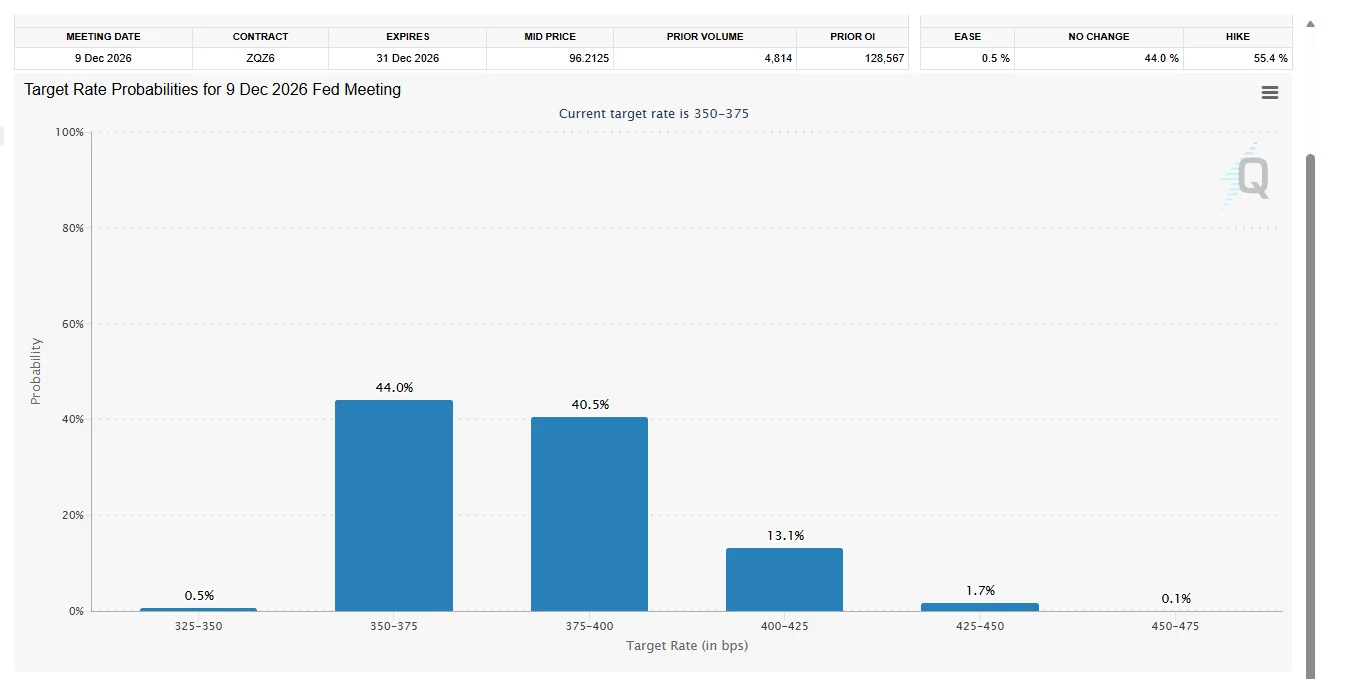
As a crypto investor, I’m keeping a close eye on who’s likely to be the next Fed Chair – it looks like Kevin Warsh is a strong contender. The market’s already bracing for potentially stricter monetary policy if he gets the job, and soon. Right now, there’s over a 40% chance the Fed will raise interest rates by 0.25% before the end of the year, according to the CME FedWatch Tool. That kind of news can definitely impact crypto prices, so it’s something I’m factoring into my strategy.
Bitcoin and crypto traders brace for market volatility
Crypto markets haven’t bounced back much after a significant drop earlier this week, especially as investors await the latest inflation data. Bitcoin briefly fell to $72,659 before climbing back above $73,000, and other major cryptocurrencies like Ethereum and XRP also saw price declines, mirroring the trend in the U.S. stock market.
If inflation remains higher than predicted, experts believe the U.S. dollar could become even stronger and interest rates on Treasury bonds will likely stay high. Historically, these conditions have often led to declines in riskier investments like cryptocurrencies.
If inflation slows down, there’s a chance the Federal Reserve might ease up on its monetary policy later this year. Some traders believe this could lead to a rebound in Bitcoin and Ethereum prices, after recent significant selling in the crypto market.
Beyond inflation data, upcoming reports on economic growth (GDP), housing, and investor confidence could all influence market reactions. Experts suggest that positive numbers in these areas might reinforce the Federal Reserve’s current approach of keeping interest rates high. However, disappointing results could renew worries about a potential economic slowdown or even a recession.
Read More
- WLD PREDICTION. WLD cryptocurrency
- BTC PREDICTION. BTC cryptocurrency
- ZEC PREDICTION. ZEC cryptocurrency
- BNB PREDICTION. BNB cryptocurrency
- EUR USD PREDICTION
- Gold Rate Forecast
- USD TRY PREDICTION
- Brent Oil Forecast
- EUR CNY PREDICTION
- GBP CNY PREDICTION
2026-05-28 16:10