A U.S. Senator is expected to release a preliminary agreement that could resolve disagreements about how crypto-stablecoins earn yield, as part of the upcoming CLARITY Act.
Another Update On The Crypto Legislation
Senator Thom Tillis, a Republican from North Carolina, said on Monday that he plans to release a proposed agreement this week to resolve the disagreement over interest rates on stablecoins held by banks and cryptocurrency companies. He’s working with Senator Angela Alsobrooks, a Democrat from Maryland, on updated language for the CLARITY Act, aiming to determine if crypto firms can offer interest on stablecoin balances, according to Politico.
The report indicates this information has been distributed to both banks and cryptocurrency companies. While banks continue to disagree with certain parts of it, Senator Tillis has indicated he’s open to making adjustments.
A disagreement over how much interest can be earned on digital assets is the primary reason the important CLARITY Act remains stalled in the Senate, despite having passed the House last year. While last year’s GENIUS Act prevents stablecoin companies from directly paying interest to customers, it still permits exchanges and other platforms to offer ways to earn yield.
Early in the month, Paul Grewal, Coinbase’s top lawyer, indicated that Senate negotiators were nearing an agreement on a key part of the CLARITY Act – how stablecoins earn yield.
The Stablecoin Yield Dispute
The core of the disagreement is that stablecoins that earn interest are now competing with traditional bank savings accounts. These stablecoins offer dollar-based assets that can be moved quickly and easily on the blockchain, all while providing competitive returns – making them an attractive option for people looking to save money.
As a researcher following the crypto space, I’m seeing a lot of concern from banks about stablecoins. They’re worried these digital currencies could pull deposits away from traditional banking, especially among younger, tech-savvy customers who are open to holding value in these new forms. Because of this, they’re advocating for strong regulations – or even outright bans – on the rewards stablecoin holders sometimes receive. Their argument is that these rewards function similarly to interest and should be subject to the same rules as banks, and that allowing high, unregulated returns could destabilize the financial system and ultimately hurt their ability to lend money.
In the crypto world, earning rewards on stablecoin balances is a key benefit. It’s a major draw for users to exchanges and DeFi platforms, as it allows them to earn money on cash that would otherwise sit unused. This feature sets on-chain dollars apart from traditional bank accounts, funds incentive programs, and boosts activity in lending, perpetual futures, and automated trading markets.
Reducing or eliminating the returns on stablecoins would significantly harm many platforms, disrupt their connections to decentralized finance (DeFi), and make it difficult for them to attract international investment, as capital can easily flow to countries with more favorable rules.
What This Means For The Market
From what I’m seeing, the current policy shift is moving away from simply paying interest on balances that aren’t being used. Instead, the focus seems to be on rewarding users for actually *doing* things with their funds – things like making payments or transfers. Senator Tillis’ latest draft bill is an attempt to put this into law, specifically defining the line between interest that’s not allowed and rewards for active use that are.
How the U.S. regulates returns on stablecoins will impact its ability to compete with digital currencies issued by other countries and with stablecoin platforms operating outside the U.S. that still offer profits. U.S. exchanges might need to shift towards rewarding users based on their activity, while investors seeking higher returns could move their money to offshore platforms.
The ultimate wording will significantly impact how much interest you can earn on stablecoins, how easily they can be traded, and where professional traders choose to invest their funds.
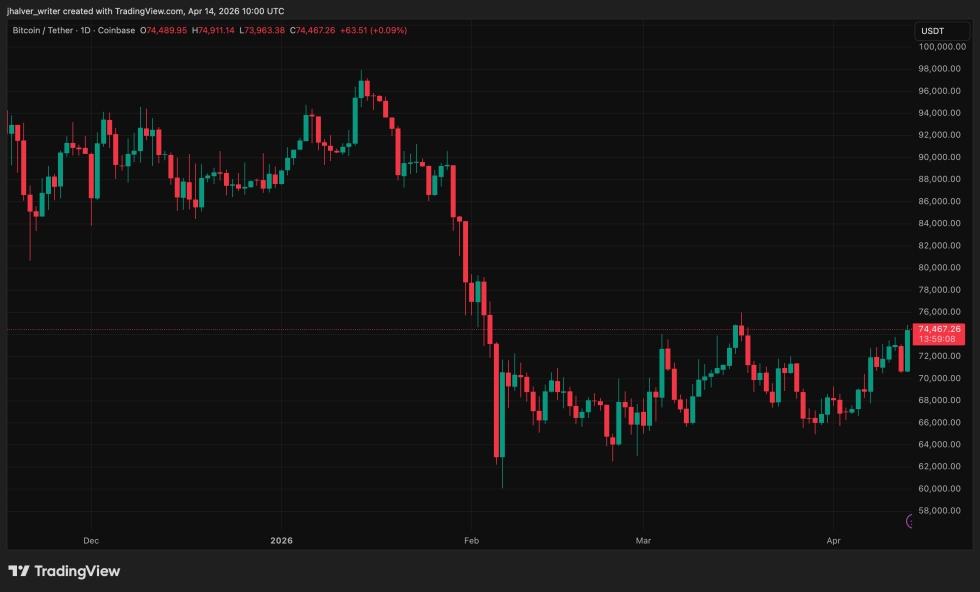
Cover image from Perplexity. BTCUSDT chart from Tradingview.
Read More
- Gold Rate Forecast
- Silver Rate Forecast
- Brent Oil Forecast
- Stablecoins: The Sky Isn’t Falling, But Banks Might Be Whining
- USD CNY PREDICTION
- ENA PREDICTION. ENA cryptocurrency
- Why Cardano Bulls Are Practicing Their Victory Dance Right Now!
- USD MXN PREDICTION
- Bitcoin’s 20-Million Milestone: Energy or Bust!
- MiCA Deadline Myth Busted: July 1 Is Too Late for Most Crypto Firms
2026-04-14 19:58