U.S. President Donald Trump said oil companies “should” resume shipping through the Strait of Hormuz on Wednesday after U.S. forces said they destroyed Iranian mine-laying vessels, even as Iran’s Islamic Revolutionary Guard Corps (IRGC) claimed responsibility for striking the Thai bulk carrier Mayuree Naree in the same waterway hours earlier.
Iranian Strike on Mayuree Naree Highlights Risk in World’s Key Oil Chokepoint
The remarks came during an on-camera exchange with reporters as tensions between the United States, Israel, and Iran continued to escalate across the Persian Gulf. The Strait of Hormuz – a narrow maritime corridor between Oman and Iran – carries roughly one-fifth of the world’s oil supply, making any disruption there a matter of global economic consequence.
Trump said U.S. naval operations had significantly weakened Iran’s ability to threaten shipping traffic and signaled confidence that commercial vessels could move safely through the chokepoint again.
“I think they should. We took out just about all of their mine ships in one night… We don’t think so [that mines were laid]. I think you’re going to see great safety,” Trump told reporters when asked whether oil companies should resume transit through the strait.
U.S. Central Command said a military operation earlier this week destroyed more than 16 Iranian vessels believed to be capable of laying naval mines. American officials argue that eliminating those assets dramatically lowers the risk of maritime attacks targeting tankers and cargo ships.
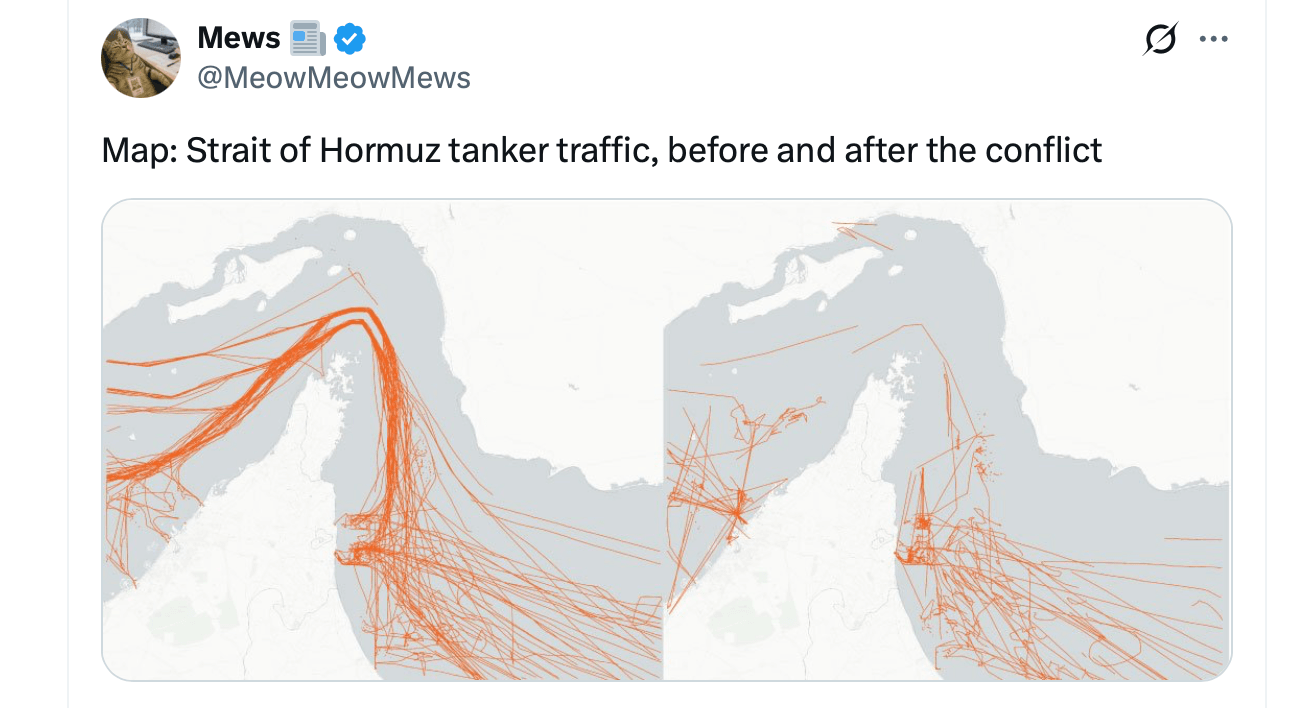
Trump framed his comments as both reassurance and a nudge to energy companies wary of sending vessels through the region. Weeks of military activity and Iranian threats have rattled energy markets and pushed shipping insurance rates sharply higher.
While Washington presented the naval strikes as a stabilizing move, events unfolding in the same waterway told a more complicated story.
Reported Ship Attacks on the Strait of Hormuz
Earlier, on March 11, the Thai-flagged bulk carrier Mayuree Naree was hit by two projectiles while sailing through the Strait of Hormuz, roughly 11 nautical miles north of Oman. The vessel, operated by Thailand’s Precious Shipping, was traveling from Khalifa Port in the United Arab Emirates to India when the attack occurred.
The impact triggered a fire in the ship’s engine room and stern, sending thick black smoke into the sky and forcing the crew to abandon ship.
According to maritime authorities, the vessel carried a crew of 23 Thai nationals. Omani naval forces rescued 20 sailors after they evacuated into a lifeboat and transported them to the coastal city of Khasab. Three crew members remain missing and are believed to have been trapped in the engine room when the fire broke out.
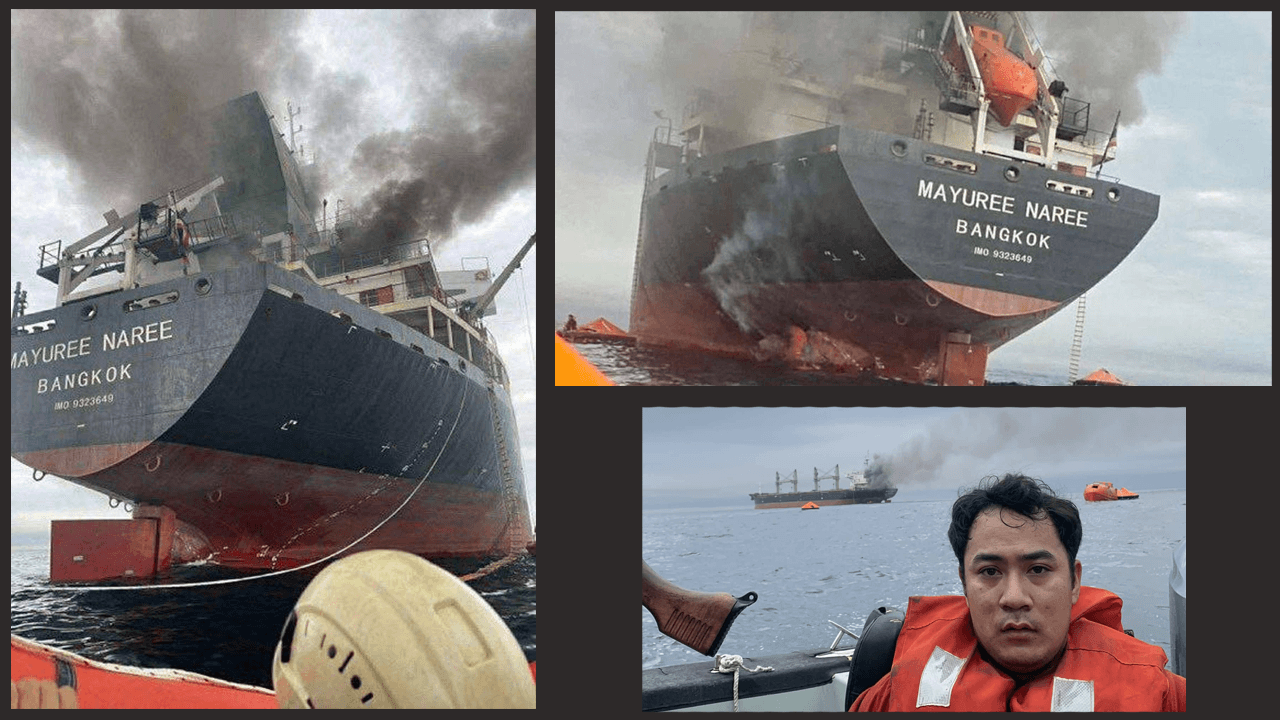
Iran’s Islamic Revolutionary Guard Corps quickly claimed responsibility for the strike.
IRGC naval commander Alireza Tangsiri said the vessel had entered a declared restricted zone and ignored Iranian warnings. In remarks reported by multiple international outlets, Tangsiri said the ship “ignored warnings” and “ended up getting caught,” framing the attack as enforcement of Iranian maritime restrictions.
The incident was not isolated. Maritime security monitors reported that at least three commercial vessels were struck in or near the Strait of Hormuz on Wednesday alone.
Since the conflict between the United States, Israel, and Iran intensified on Feb. 28, more than 14 commercial ships have been targeted across the region. Shipping companies, wary of both missile strikes and naval mines, have increasingly redirected vessels around Africa’s Cape of Good Hope – a detour that can add 10 to 14 days to transit times and significantly increase fuel and operating costs.
As tensions mount, governments and markets are watching closely. Several countries have already begun releasing strategic petroleum reserves to cushion potential supply disruptions, while war-risk insurance premiums for vessels operating in the region have jumped dramatically.
For energy markets, the message is clear: reopening the world’s most important oil artery may be the goal, but the route remains anything but quiet.
FAQ 🔎
- Why is the Strait of Hormuz important to global oil markets?
About 20% of the world’s oil supply passes through the Strait of Hormuz, making it one of the most critical energy routes globally. - What happened to the cargo ship Mayuree Naree?
The Thai bulk carrier was struck by two projectiles on March 11 in the Strait of Hormuz, forcing the crew to abandon ship after a fire broke out. - Why did President Trump say oil tankers should use the strait again?
Trump said U.S. forces destroyed Iranian mine-laying vessels and argued the operation restored safety for commercial shipping. - How are shipping companies responding to the Hormuz attacks?
Many shipping firms are rerouting vessels around Africa’s Cape of Good Hope, adding up to two weeks of travel time and higher costs.
Read More
- Silver Rate Forecast
- Gold Rate Forecast
- Brent Oil Forecast
- Bitcoin at Halfway Through Halving: Gains Lag Behind Previous Cycles
- DOGE PREDICTION. DOGE cryptocurrency
- USD CNY PREDICTION
- USD CLP PREDICTION
- I gave up gin for this coin and made £12.42-learn the secret (you won’t believe emoji #3) 😱✨💰
- USD MYR PREDICTION
- USD TRY PREDICTION
2026-03-11 23:57