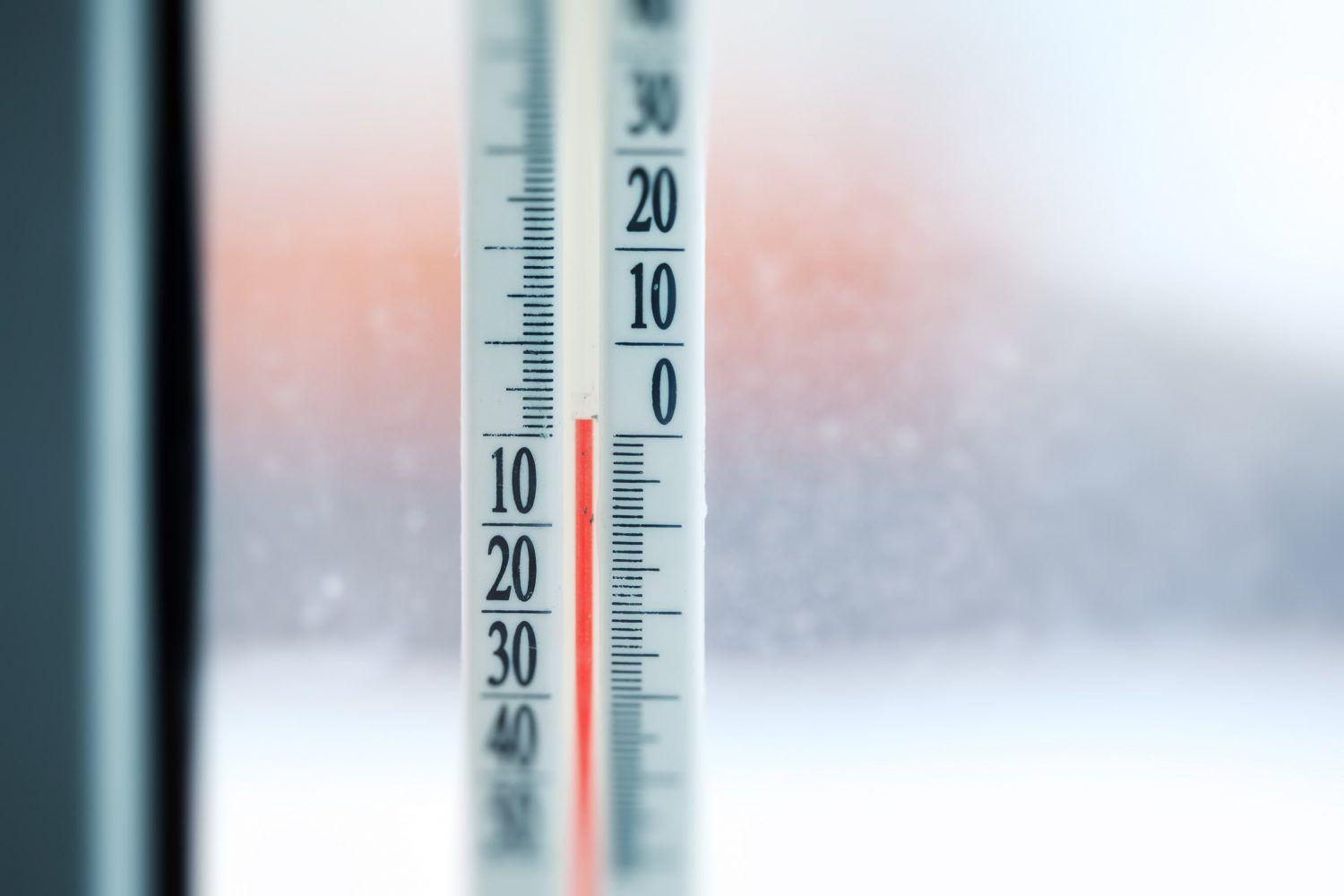
Recently, unusual temperature readings at a weather station near Paris’s Charles de Gaulle airport led to a police investigation and legal complaint. News reports suggest these readings were manipulated as part of betting on Polymarket, resulting in significant financial gains for some. Even if the exact details aren’t fully confirmed, the key takeaway is this: any market based on real-world events is only reliable if the data it uses is trustworthy.
Everyone’s talking about how to stop something like this from happening again. But a better question is why it wasn’t expected in the first place.
When everything becomes tradable, everything becomes a target
Just as this news was emerging in France, Polymarket revealed it was offering ongoing futures contracts for cryptocurrencies, stocks, and commodities, allowing traders to multiply their potential gains up to ten times with no set end date. Kalshi quickly followed suit, announcing a comparable offering shortly after.
A bet on the temperature in Paris and a complex Bitcoin trade might seem completely unrelated, but they’re actually part of the same trend. Markets are now appearing wherever we can track and settle a result. It started with predictions about elections and sports, then expanded to things like the weather and short-term crypto prices. Now, we’re seeing continuous trading options on almost anything, and this pattern has been consistent for years.
With more and more of these markets appearing, the opportunities for unfair practices are also increasing. The recent issue at CDG isn’t a one-off event; it’s a direct result of prioritizing profits over secure and reliable data systems.
The oracle problem, in the physical world
The “oracle problem” in decentralized finance describes the challenge of getting trustworthy, real-world information into systems that automatically carry out financial agreements. Often, the conversation centers on technical solutions like using multiple data sources and verifying data with cryptography.
The incident at Charles de Gaulle Airport, regardless of the investigation’s findings, perfectly illustrates a critical flaw in how systems rely on single points of data. A significant financial market was making decisions based solely on the output of one source, with no checks or backups in place to verify the information. As someone who studies weather patterns, I can tell you that a sudden, unexplained temperature change at one location would immediately be flagged for review. The fact that this didn’t happen automatically before financial transactions occurred is the real issue. This weakness isn’t limited to the Polymarket platform; it’s a broader systemic problem.
Weather-based financial tools like those traded on the CME, as well as insurance policies linked to specific events – including those for agriculture and natural disasters – all depend on accurate observational data. However, most of these systems still operate with limited data sources. While the industry has focused heavily on improving pricing and regulations over the years, very little effort has been put into verifying the quality and reliability of the data that actually determines payouts.
The real infrastructure race
As more and more risks become tradable items – and this trend seems unstoppable – the biggest challenge isn’t the technology used for trading, like platforms or blockchain, or even getting official permission. The real problem is making sure the data used to assess those risks is reliable and trustworthy.
It’s easy to get caught up in exciting new products, but crucial questions often get overlooked. Things like: Who took the temperature reading, and with what device? When was that device last checked for accuracy? Do other sources confirm the reading? And who can verify the entire process to ensure it hasn’t been tampered with? These details aren’t flashy, but they’re fundamental. Without them, you end up with a vulnerable system, like the one at CDG airport, which could be disrupted with something as simple as a heat source and a bus ride.
The companies that will lead the future of parametric and prediction markets won’t be those with the flashiest trading platforms. Instead, they’ll be the ones focused on building reliable connections between real-world events and financial payouts – meaning secure, verified data from multiple sources that can’t be tampered with. This underlying infrastructure isn’t exciting, but it’s essential for making these markets trustworthy.
Fifteen years from now, insurance will undergo a similar evolution
Traditional insurance operates by waiting for something to happen, then filing a claim, sending someone to investigate, negotiating the amount, and finally issuing a payment – a process that often takes weeks or months. This system developed because it used to be difficult to quickly and accurately confirm what happened and how much damage occurred. It was built for a time when information was limited.
The long-standing lack of data for managing risk is disappearing. We now have incredibly detailed satellite images, constant environmental monitoring through connected sensors, and weather forecasts that update almost instantly. Plus, settlements can happen on the blockchain in seconds. All of this means the tools for automatically and continuously transferring risk are being built, and development is speeding up.
In the future, if a late frost damages your vineyard, you won’t need to file a claim with an insurance broker. Instead, a new type of contract will use up-to-the-minute risk data to automatically pay you the next day. The money will be in your account before you’ve even finished assessing the damage to your vines.
This product will be significantly more affordable, quicker, and easier to understand than standard insurance. It’s not about covering different risks, but about dramatically reducing costs. We’ve eliminated things like claims adjusters, lengthy investigations, and long wait times for payouts. By removing so much of the hassle from transferring risk, we’re not just making insurance better – we’re fundamentally changing how it works.
Prediction markets, perpetual contracts, weather derivatives, and parametric insurance might seem like different fields, but they’re actually part of a single trend. This trend involves turning every measurable risk into a financial product – something that’s constantly priced, quickly settled, and open to anyone who wants to participate.
The recent issue at Charles de Gaulle Airport could involve significant financial losses, potentially tens of thousands of dollars. However, its most important aspect is that it serves as an early warning. How well we manage future risks will depend on having accurate and reliable data, and currently, that foundational data is seriously lacking.
The opinions shared in this article are solely those of the author and don’t represent the views of CoinDesk or its related companies.

Gemini eyes prediction market challenge to Kalshi, Polymarket, secures derivatives license; shares surge
24 minutes ago

Polymarket taps Chainalysis to bring Wall Street-level oversight to crypto prediction markets
41 minutes ago

Crypto for Advisors: Breaking down the Sui blockchain
46 minutes ago
Anchorage Digital and M0 team up to power next wave of regulated stablecoins
46 minutes ago

Coinbase’s asset manager to offer stablecoin credit fund with tokenized share class
1 hour ago
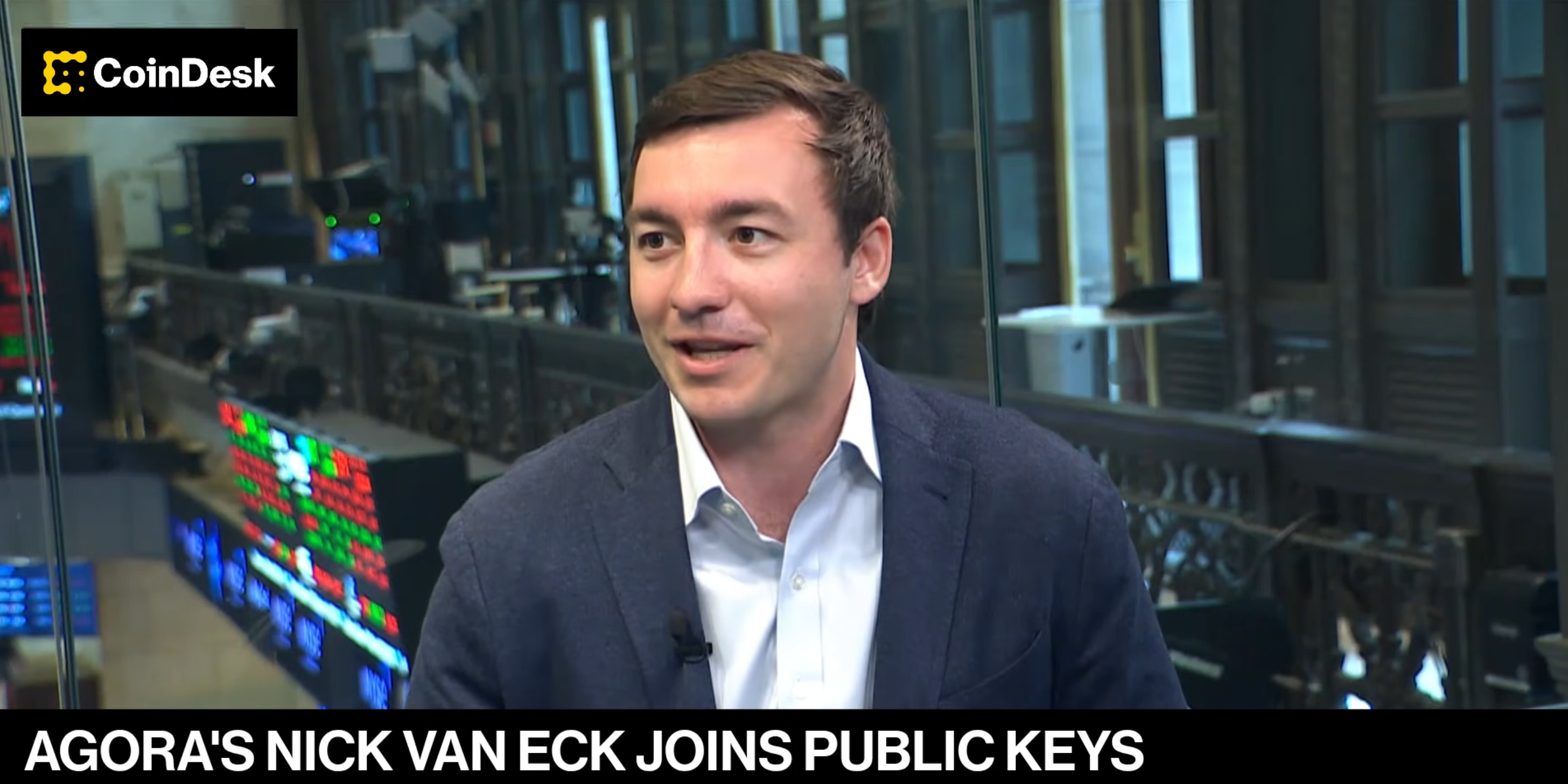
Banks push to slow stablecoin law as Agora races for charter
1 hour ago
Wasabi Protocol drained of $4.5 million in apparent admin key compromise
5 hours ago
Bitcoin faces $80,000 resistance as derivatives show signs of risk aversion
4 hours ago

Trump-backed World Liberty Financial races toward 62 billion token unlock with near-unanimous vote
7 hours ago

The long con: How North Korean spies spent months in-person to drain $285 million from Drift
2 hours ago
Seasonal trends favor bulls even as bitcoin ends April in a defensive mood
4 hours ago
Jack Mallers’ Twenty One Capital surges after majority holder Tether proposes 3-way merger
17 hours ago
Read More
- Brent Oil Forecast
- Bitcoin at Halfway Through Halving: Gains Lag Behind Previous Cycles
- Silver Rate Forecast
- Gold Rate Forecast
- USD CLP PREDICTION
- WLD PREDICTION. WLD cryptocurrency
- USD MYR PREDICTION
- DOGE PREDICTION. DOGE cryptocurrency
- USD TRY PREDICTION
- ADA PREDICTION. ADA cryptocurrency
2026-04-30 18:59